
Market Policies for Capacitors: Navigating the Complex Landscape
I. Introduction
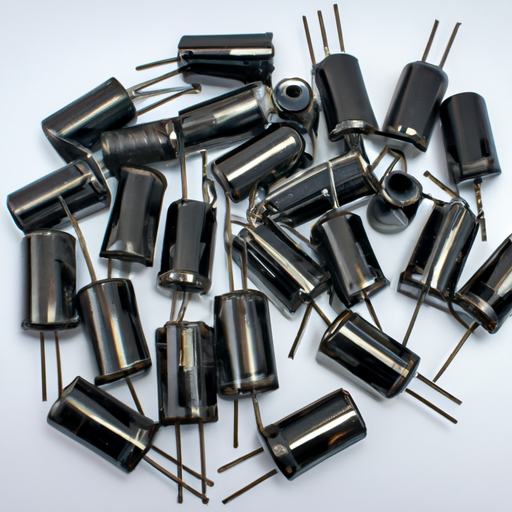
Capacitors are essential electronic components that store and release electrical energy, playing a critical role in various applications, from consumer electronics to industrial machinery. Their importance cannot be overstated, as they are integral to the functioning of devices such as smartphones, computers, and electric vehicles. As the demand for capacitors continues to grow, so too does the complexity of the market policies that govern their production, distribution, and sale. This blog post will explore the various market policies affecting the capacitor industry, including regulatory frameworks, market entry policies, pricing strategies, distribution channels, marketing tactics, and future trends.
II. Regulatory Framework
A. Overview of Global Regulatory Bodies
The capacitor industry is subject to a myriad of regulations set forth by global and national regulatory bodies. The International Electrotechnical Commission (IEC) establishes international standards for electrical and electronic devices, including capacitors. Compliance with IEC standards ensures that products meet safety and performance criteria recognized worldwide.
Underwriters Laboratories (UL) is another key player, particularly in North America, where UL certification is often required for products to be deemed safe for consumer use. Additionally, the European Union (EU) has stringent regulations that manufacturers must adhere to, including directives on safety, electromagnetic compatibility, and environmental impact.
B. National Regulations
Different countries have their own regulatory frameworks that impact the capacitor market. In the United States, the Federal Communications Commission (FCC) oversees regulations related to electronic devices, ensuring they do not interfere with communication networks. In China, the Ministry of Industry and Information Technology (MIIT) sets standards that manufacturers must follow to ensure product quality and safety.
Other key markets, such as Japan and South Korea, also have specific regulations that manufacturers must navigate. Understanding these national regulations is crucial for companies looking to enter or expand in these markets.
C. Compliance Requirements
Compliance with safety standards is paramount in the capacitor industry. Manufacturers must ensure their products meet the necessary safety requirements to avoid recalls and legal issues. Environmental regulations, such as the Restriction of Hazardous Substances (RoHS) and Registration, Evaluation, Authorisation and Restriction of Chemicals (REACH) in the EU, mandate that manufacturers limit the use of certain hazardous materials in their products. Adhering to these regulations not only ensures compliance but also enhances a company's reputation in an increasingly eco-conscious market.
III. Market Entry Policies
A. Tariffs and Trade Barriers
Market entry policies significantly impact the capacitor industry, particularly in terms of tariffs and trade barriers. Import and export duties can affect the pricing and competitiveness of capacitors in different markets. Trade agreements, such as the United States-Mexico-Canada Agreement (USMCA) and the Regional Comprehensive Economic Partnership (RCEP), can facilitate smoother trade flows and reduce tariffs, benefiting manufacturers and consumers alike.
B. Licensing and Certification
Entering new markets often requires obtaining specific licenses and certifications. These certifications can vary by country and may include safety certifications, quality management system certifications, and environmental compliance certifications. For foreign manufacturers, understanding and navigating local regulations is essential to avoid delays and ensure successful market entry.
C. Intellectual Property Considerations
Intellectual property (IP) is a critical consideration for companies in the capacitor industry. Patent laws protect innovations and inventions, allowing companies to maintain a competitive edge. However, navigating IP laws can be complex, especially in countries with different legal frameworks. Companies must also be vigilant about protecting trade secrets, as the capacitor market is highly competitive, and proprietary technologies can provide significant advantages.
IV. Pricing Policies
A. Cost Structure of Capacitors
The pricing of capacitors is influenced by various factors, including raw material costs, manufacturing expenses, and research and development (R&D) investments. The cost of materials, such as aluminum, tantalum, and ceramic, can fluctuate based on market demand and availability, impacting overall pricing strategies.
B. Pricing Strategies
Companies in the capacitor market often employ different pricing strategies to remain competitive. Competitive pricing involves setting prices based on competitors' pricing, while value-based pricing focuses on the perceived value of the product to the customer. Understanding market demand and customer preferences is crucial for determining the most effective pricing strategy.
C. Impact of Market Demand and Supply
Market demand and supply dynamics play a significant role in pricing policies. Seasonal fluctuations, such as increased demand during the back-to-school season or holiday shopping, can lead to price adjustments. Additionally, technological advancements, such as the development of more efficient capacitors, can create new market opportunities and influence pricing strategies.
V. Distribution and Supply Chain Policies
A. Distribution Channels
The distribution of capacitors can occur through various channels, including direct sales, distributors, and wholesalers. Direct distribution allows manufacturers to maintain control over pricing and customer relationships, while indirect distribution through wholesalers can expand market reach. Understanding the most effective distribution strategy is essential for maximizing sales and customer satisfaction.
B. Supply Chain Management
Effective supply chain management is critical in the capacitor industry, where sourcing raw materials and managing logistics can be complex. Companies must establish reliable relationships with suppliers to ensure a steady flow of materials. Additionally, logistics and transportation considerations, such as shipping costs and delivery times, can impact overall efficiency and customer satisfaction.
C. Impact of Global Events
Global events, such as pandemics and geopolitical tensions, can disrupt supply chains and impact the availability of capacitors. Companies must be agile and adaptable, developing contingency plans to mitigate risks associated with these disruptions.
VI. Marketing and Promotion Policies
A. Branding Strategies
In the competitive capacitor market, branding plays a crucial role in differentiating products. A strong brand reputation can enhance customer trust and loyalty. Companies must invest in branding strategies that communicate their values, quality, and innovation. Case studies of successful brands in the capacitor industry can provide valuable insights into effective branding practices.
B. Advertising and Promotional Tactics
Advertising and promotional tactics are essential for raising awareness and driving sales. Digital marketing strategies, including social media campaigns and search engine optimization, can effectively reach target audiences. Additionally, participating in trade shows and industry events allows companies to showcase their products and connect with potential customers.
C. Customer Engagement and Feedback Mechanisms
Engaging with customers and gathering feedback is vital for continuous improvement. Companies can implement feedback mechanisms, such as surveys and customer reviews, to understand customer needs and preferences better. This information can inform product development and marketing strategies.
VII. Future Trends and Challenges
A. Technological Advancements
The capacitor industry is witnessing rapid technological advancements, with innovations in capacitor technology leading to more efficient and compact designs. The rise of electric vehicles and renewable energy sources is driving demand for advanced capacitors, creating new opportunities for manufacturers.
B. Environmental Sustainability
As environmental concerns grow, the capacitor industry is shifting towards eco-friendly materials and practices. Companies are exploring circular economy initiatives, such as recycling and reusing materials, to minimize waste and reduce their environmental footprint.
C. Market Volatility and Economic Factors
Market volatility and economic factors, such as inflation and supply chain disruptions, pose challenges for the capacitor industry. Companies must remain vigilant and adaptable, continuously monitoring market trends and adjusting their strategies accordingly.
VIII. Conclusion
In conclusion, the capacitor industry operates within a complex landscape of market policies that influence every aspect of production, distribution, and marketing. Understanding the regulatory frameworks, market entry policies, pricing strategies, distribution channels, and future trends is essential for companies looking to succeed in this dynamic market. As the industry continues to evolve, adapting to changing regulations and market dynamics will be crucial for stakeholders to thrive in the capacitor market. The future outlook for the capacitor industry remains promising, driven by technological advancements and increasing demand across various sectors.

